The Carioca art of living is a quiet one. No watch on the wrist, no car in the street, no announcement of arrival. A Carioca wears a T-shirt, carries a pair of Havaianas, and knows the precise time the breeze changes on Avenida Atlântica. This chapter is a field guide to that way of living — the few blocks around ADV 001, the stretch of Ipanema beyond them, and the small pleasures that turn a stay into a place.
Copacabana, and why it still wins
Copacabana is the crescent where Rio decided to put its beach. Two and a half kilometres of pavement — the famous black-and-white Portuguese waves of Roberto Burle Marx — and, across Avenida Atlântica, the city's most democratic body of water. Surfers in the morning, families by noon, retirees playing cards at sunset, and, at eleven at night, young Cariocas barefoot in the foam.
The block in front of ADV 001 is the quiet end — past the Copacabana Palace, closer to the rocks of Arpoador, where the beach softens into a geological shrug. It is the best block in the neighbourhood, and not by accident.
The art of spending a morning
Start before nine. The Atlantic is flatter, the sand is cooler, and the cafés are open but not yet full. Walk out of the building, cross the sidewalk, cross Avenida Atlântica, and ask your barraqueiro — the umbrella-man at the beach — for chair number whatever is closest to the waterline. Pay him once, tip him a second time, and he is yours for the day.
Order an água de coco. Do not order anything else until you have finished at least one coconut.
Arpoador — the best sunset in the city
At the southern end of Copacabana, where the beach meets Ipanema, there is a rock — o Arpoador. Cariocas climb it at sunset and, by tradition, applaud when the sun touches the horizon. It is one of the rare public gestures in the city, and one of the most beautiful. Go at least once.
Where to eat
Copacabana has five hundred restaurants and perhaps eight that matter. Here is a tight list we send to everyone:
- S Bistrô (Leme). A French bistro at the quieter end of Copacabana, tropical cane chairs, a beachfront terrace, lunches on Thursday and Friday so cheap they feel like a mistake. Our favourite weekday lunch in the city.
- Le Pulé (Ipanema). A bistrot in Praça General Osório, a carte that changes with the season, proper wine, charming service. A 15-minute walk from the penthouse.
- SULT (Ipanema). The best Italian in Rio. Order the lasagne as a starter and split it; the pirarucu as a main. The wine list is the best in the city — a serious cellar with real pearls.
- La Carioca Cevicheria (Ipanema). A Peruvian nook on the corner of Rua Redentor (our favourite street in Rio) and Rua Garcia d'Ávila (the chicest — Hermès, Vuitton, the rest). Ceviche, quinoto, pisco sours. That's the order.
- La Carioca en La Playa (Leblon). The same owner, the same ceviche, except with your feet in the sand and Two Brothers Mountain looming at the end of the beach. Lunch only.
- Sabor Peruano (Centro, near the Selarón Steps). A small, unshowy room on a slightly gritty street. Our single favourite restaurant in the city. Order the ceviche, the chaufa, and — above all — the tacu-tacu de lomo. Then order more pisco sours.
- Assador Rios (Guanabara Bay). The best steakhouse in Latin America, at the foot of Sugarloaf. Eat nothing else all day. Arrive at four in the afternoon. Order the tomahawk, the chorizo, the ancho, the baby beef, the filet. Nothing else. (Nada mais.) BYO is allowed with a corkage; bring something serious.
- Aussie Coffee (hidden down a long corridor in Ipanema). The best coffee in Rio. Brunch at any hour, cosmopolitan room, a smile guaranteed.
The Carioca doesn't show wealth. There are no luxury watches on wrists, no large cars in the streets — just the pleasure, and the simplicity, of being here.
Getting around
Take the metro. It is clean, air-conditioned, and runs along every beach in the city. Otherwise, take an Uber. Rent a Bike Itaú through the app and pedal the lagoon loop at sunset — a flat, shaded, seven-kilometre ring around Lagoa Rodrigo de Freitas, Christ the Redeemer on one side, the lagoon on the other. Do not rent a car.
What to do
- Christ the Redeemer. Book the cog railway online to skip the queue. Go at golden hour.
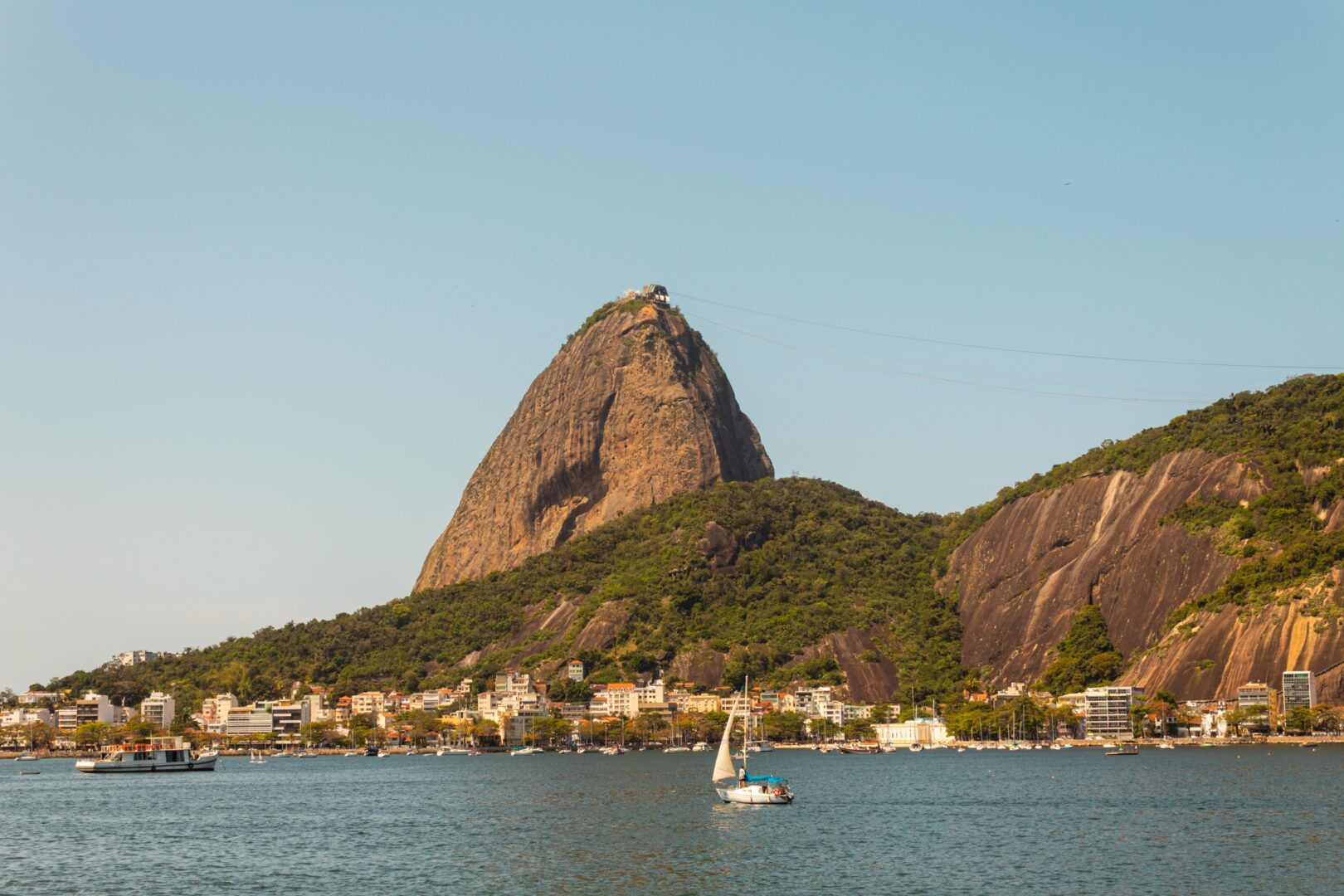
- Sugarloaf (Pão de Açúcar). The cable car at sunset has no equal. Take a bottle of something cold.
- Two Brothers (Dois Irmãos). Start early — the most daring go for sunrise. From Vidigal, take a moto-taxi (or a mini-van if you prefer) to the trailhead. The hike is easy (45 minutes) and the view from the top is, frankly, indecent. Bring water.
- Frescobol. The Carioca's national beach sport — two rackets, one ball, no winner, no loser, just the pleasure of keeping the ball in the air. Morning at Praia do Diabo (Arpoador); afternoon at Posto 9 (Barraca 94).
Costumes & culture — the no-bling rule
Leave the watch in the safe. Leave the jewelry in the drawer. Leave the showy logos in New York. Cariocas signal wealth with the opposite of wealth: a rubber sandal, a faded shirt, a hat from a beach kiosk. Dressing down in Rio is not casualness — it is etiquette. It is the single most reliable sign that a traveller has understood the city.
Come chercher bonheur. That is our line, borrowed from the old Airbnb guide. It means: come looking for joy. Here, it is not hard to find.